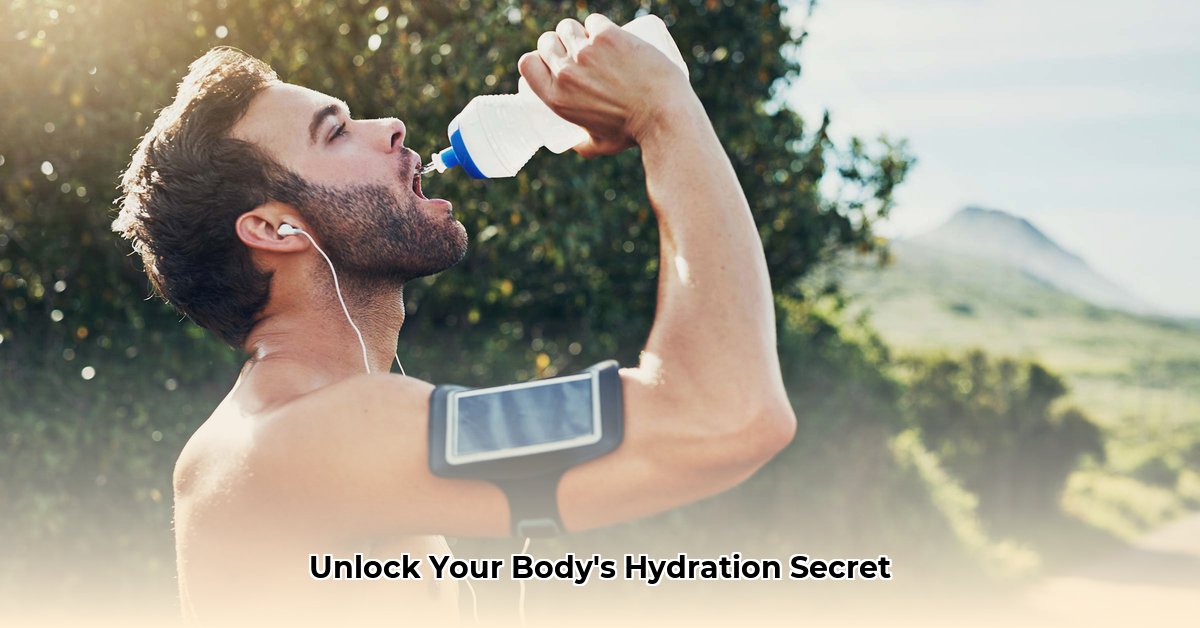
Decoding the Hydration Puzzle: A Personalized Approach to Wellness
Let's dispel the myth of the universal eight-glasses-a-day rule. Your ideal daily fluid intake is as individual as your fingerprint, influenced by activity level, climate, diet, and overall health. This article delves into the science of hydration, debunking common misconceptions and providing a personalized framework for optimal well-being. Beyond plain water, fruits, vegetables, and other beverages all contribute to your body's fluid balance. Understanding this nuanced interplay is crucial for achieving peak health. How well-hydrated are you really? For more on water's role in wellness, check out this great resource.
The Science of Hydration: More Than Just Water Intake
Proper hydration is essential for bodily functions—acting as a lubricant for cellular processes, supporting nutrient delivery, and aiding waste removal. While water is the primary source, fruits, vegetables, and other beverages contribute significantly to total fluid intake. But achieving optimal hydration is highly individual. What works for one person might not work for another. "The one-size-fits-all approach to hydration is simply ineffective," states Dr. Anya Sharma, Registered Dietitian at the University of California, San Francisco. This personalized aspect makes the journey towards wellness both challenging and rewarding.
A marathon runner on a hot day has vastly different hydration needs than someone resting indoors on a cool day. Similarly, a diet rich in water-rich fruits and vegetables may necessitate less plain water. This emphasizes the importance of tailoring your strategy. But, how accurately can we measure hydration?
Ongoing Research: Refining Hydration Guidelines
While the importance of hydration is widely accepted, the precise amount needed for optimal health remains elusive. Inconsistencies across studies highlight challenges in standardizing research methodologies and accounting for individual variables. "Current research focuses on improving the accuracy of hydration assessments," explains Dr. David Lee, PhD, Professor of Kinesiology at the University of Texas at Austin. The methods used to measure hydration, from simple urine tests to advanced blood analysis, vary considerably in accuracy, further complicating the situation.
The quest for a precise, universal hydration guideline is ongoing. This ongoing research is paramount to developing effective hydration plans that benefit everyone. The research will also help determine whether frequent sips or larger, less frequent drinks are more beneficial.
Measuring Hydration: A Complex Equation
Assessing hydration isn't straightforward. While urine color (pale yellow is ideal) and weight changes provide clues, factors like age, kidney function, and the type of dehydration can significantly affect these indicators. "There's no single perfect method for measuring hydration," cautions Dr. Emily Carter, MD, Nephrologist at Mayo Clinic. These complexities highlight the need for more sophisticated and accurate monitoring techniques. This complexity underscores the limitations of existing methods.
Dehydration vs. Overhydration: Navigating the Tightrope
Insufficient hydration leads to fatigue, headaches, and mood changes. Conversely, overhydration (hyponatremia), though rare, is a serious condition involving electrolyte imbalance. This highlights the critical balance needed – sufficient but not excessive fluid intake. "Finding the Goldilocks zone of hydration requires careful monitoring and individual adjustment," Dr. Carter emphasizes. The absence of a universal solution points to the individual differences we must consider when creating a plan for optimum hydration.
Your Personalized Hydration Plan: A Step-by-Step Guide
Follow these actionable steps to craft your individual hydration plan:
- Listen to Your Body: Thirst and urine color are key indicators. Pale yellow urine signifies adequate hydration; darker urine suggests dehydration.
- Consider Your Lifestyle: Adjust fluid intake based on activity levels, climate, and altitude. Increased activity and heat require more fluids.
- Diversify Your Fluids: Fruits, vegetables, and various beverages contribute alongside plain water.
- Seek Professional Guidance: Consult a doctor or registered dietitian for personalized advice, especially if you have underlying health conditions.
The Future of Hydration: Personalized Tech and Precision Medicine
The future of hydration research points towards personalized strategies via advanced tools and technology. Wearable sensors and personalized apps can provide precise hydration data, although their efficacy and accessibility are still emerging. These innovations promise a future where hydration management is tailored to individual needs and preferences. But, we must be cautious about over-reliance on technology.
Actionable Steps: A Collaborative Approach
Optimizing hydration requires a multi-faceted approach. Individuals, healthcare professionals, researchers, and the food and beverage industry all play a role in promoting better understanding and practice of optimum hydration. This emphasizes the urgent need for better education and tools to aid in hydration efforts. Collaboration is key.
Understanding Your Unique Hydration Needs: An Individualized Approach
Why prioritize water intake? Adequate hydration supports countless bodily functions, but your requirements are unique. Activity levels, climate, and even genetics influence individual needs. This necessitates a personalized approach—discarding the one-size-fits-all mindset.
Individual sweat composition ("sweat fingerprint") significantly impacts electrolyte needs. This highlights the need to go beyond generic hydration plans and consider individual physiological differences.
Assessing Your Hydration Status: Methods and Considerations
Several methods exist for personalized hydration assessment. The simplest involve observing urine color and monitoring weight fluctuations. More advanced techniques, like sweat patch analysis and laboratory testing, allow for precise measurement of sweat rate and electrolyte losses. The choice of method depends on individual needs and resources.
Creating Your Personalized Hydration Plan: A Step-by-Step Guide
Assess your baseline: Consider activity levels, climate, and hydration awareness.
Choose your monitoring method: Select an appropriate strategy (weight monitoring, sweat patches, etc.) based on resources and preferences.
Adjust your intake: Tailor water and electrolyte intake based on your assessment and lifestyle.
Listen to your body: Pay close attention to thirst, energy levels, and urine color to fine-tune your plan.
Seek professional guidance: Consult a healthcare professional for personalized advice, particularly if you have pre-existing conditions.
Advanced Considerations: Electrolytes and Technology
Electrolytes are vital for proper bodily function. Individual needs for them depend highly upon things like sweat composition, which is why an individualized approach is necessary. Technology such as wearable sensors and apps offer precise hydration data, but these should supplement, not replace, professional guidance. Professional medical counsel remains crucial, especially if you have pre-existing conditions.
Making Hydration a Lifestyle: An Ongoing Commitment
Optimizing hydration is more than a short-term goal; it's an ongoing process of monitoring, adjusting, and refining your strategy. Simple adjustments based on lifestyle factors can greatly influence overall well-being. By understanding individual needs, you can unlock the transformative power of personalized hydration.